 ·
3 minute read
·
3 minute read
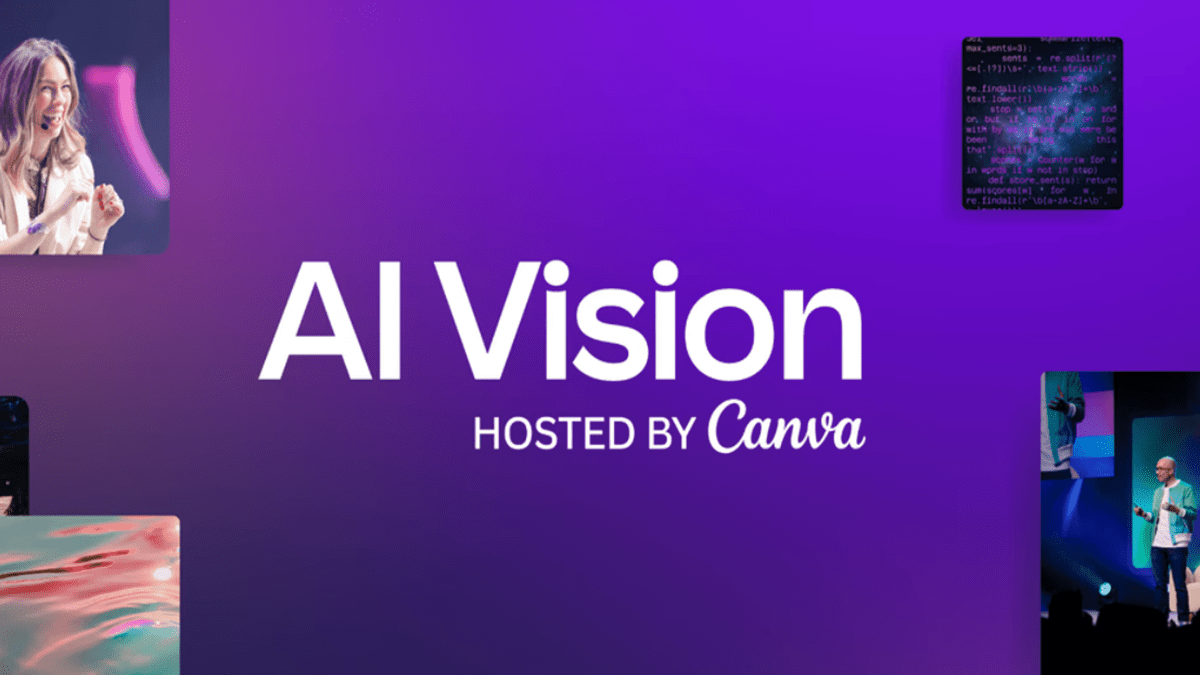
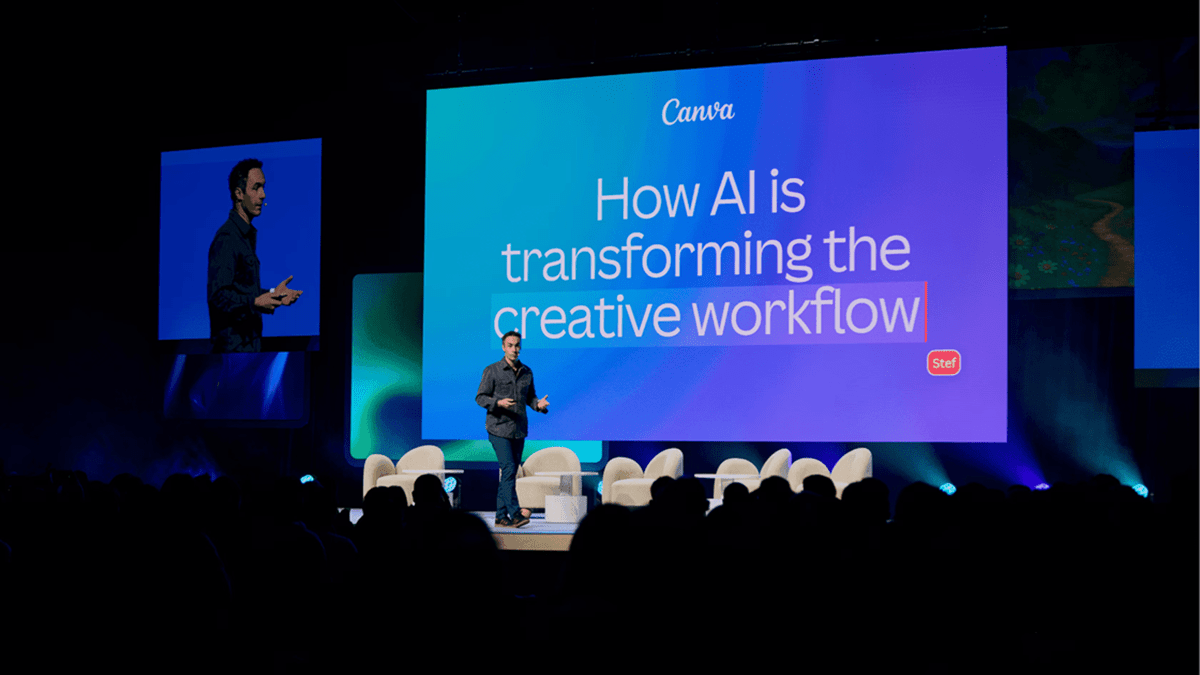
The Brief: Canva hosted its largest AI Vision event to date, bringing together more than 1,000 builders, founders, and creators to discuss the current state of artificial intelligence and its practical deployment. The event highlighted how organizations are already using AI systems that are “good enough” to deliver measurable outcomes, particularly in healthcare, infrastructure planning, and creative work.
Speakers from Canva, OpenAI, Harrison.ai, NEXTDC, academic institutions, and venture firms addressed topics ranging from AI accuracy thresholds and responsible development to enterprise adoption gaps and infrastructure readiness.
The program also included demonstrations of Canva’s latest AI research, focused on generating editable design outputs rather than static results.
Explore full details of the announcement about Canva’s AI Vision at canva.com.
 Source: Canva
Canva’s AI Vision Event Signals Practical Shift in AI Development
Analyst Perspective: One of the clearest signals from AI Vision was a shift in mindset. Instead of treating AI as a future-state transformation, speakers talked about it as a present-day tool already influencing outcomes across industries.
Healthcare diagnostics, investment research, and creative production all served as examples where “good enough” systems are delivering value today. This framing reinforces AI as an iterative tool that gains value through deployment, feedback, and refinement.
Equally notable was the emphasis on human-centered design. Multiple sessions reinforced the idea that AI works best when it augments expertise rather than replaces it. This perspective aligns AI adoption with long-term capability building, rather than short-term efficiency gains that may erode skill development over time.
 Source: Canva
Healthcare and Measured Gains Define Early Impact
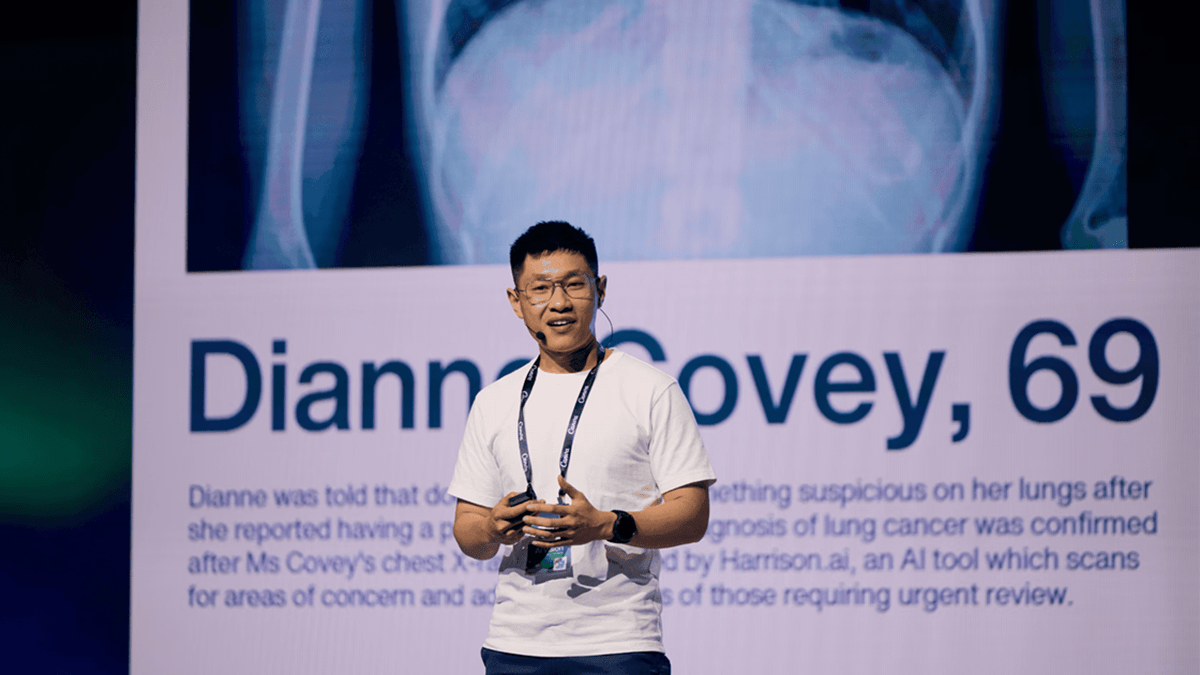
In healthcare, small AI wins can translate into huge real-world impact. Presentations showed that AI systems do not need perfect accuracy to contribute value, particularly when baseline human performance varies in real-world settings. Through exceeding existing detection rates, AI tools can support earlier diagnoses and better clinical decisions at scale.
The discussion also reinforced the importance of deployment context. These systems are integrated into existing clinical workflows, supporting radiologists rather than replacing them. This approach allows adoption across national healthcare systems without requiring disruptive operational changes.
The sector proves that when AI is applied thoughtfully, it can complement human expertise, enhance clinical outcomes, and provide a roadmap for adoption in other industries.
Infrastructure and Enterprise Readiness as Limiting Factors
Several sessions addressed the physical and organizational limits shaping AI expansion.
Infrastructure leaders highlighted that current data center designs struggle to support newer AI workloads due to power and heat constraints. This creates a dependency between AI strategy and long-term infrastructure investment that many organizations underestimate.
At the enterprise level, speakers noted that governance discussions often delay adoption while individuals move ahead independently. This disconnect reduces visibility and consistency.
The event suggested that aligning infrastructure planning, security, and workforce policies is essential to avoid fragmented AI usage and stalled initiatives.
 Source: Canva
Creativity, Editability, and Human Control in AI Design
Canva’s creative AI is stepping up in a big way, and the key difference is editability.
Previously, AI would generate finished images with little room for adjustment. Now, users can refine text, modify layouts, adjust colors, and fully customize the design to meet their needs. This transforms AI into a partner in the creative process rather than a one-off tool.
For creative teams, businesses, and educators, the focus on editability turns AI from a novelty into a practical part of the everyday creative process.
AI Vision and Canva’s Broader Product Direction
Canva’s AI Vision event showcased how the company is extending its existing strengths in collaborative, accessible design tools.
Rather than creating flashy but static AI outputs, Canva is focused on editable designs that let users tweak, refine, and perfect their work. This approach keeps humans in control and ensures AI complements creativity instead of replacing it.
Who Benefits Most
Canva’s latest AI tools are designed to make creative work faster and more flexible. They offer practical benefits for a variety of users:
- Creative Teams: Streamline design processes while keeping full control over edits.
- Small Businesses: Quickly generate professional-quality visuals without hiring large design teams.
- Educators: Produce adaptable teaching materials and learning content efficiently.
- Enterprises: Improve workflow efficiency and maintain brand consistency across campaigns.
Challenges Ahead
There are a few hurdles that can’t be overlooked. From infrastructure pressures to uneven organizational uptake and potential skill loss, AI presents real challenges. Through positioning AI as embedded infrastructure rather than a standalone feature, Canva appears to be addressing these constraints while expanding its platform in a way that aligns with user needs and operational realities.
Bring clarity and actionable strategies to your audience with our thought leadership. Reach out now to explore speaking opportunities or media commentary.