
 ·
4 minute read
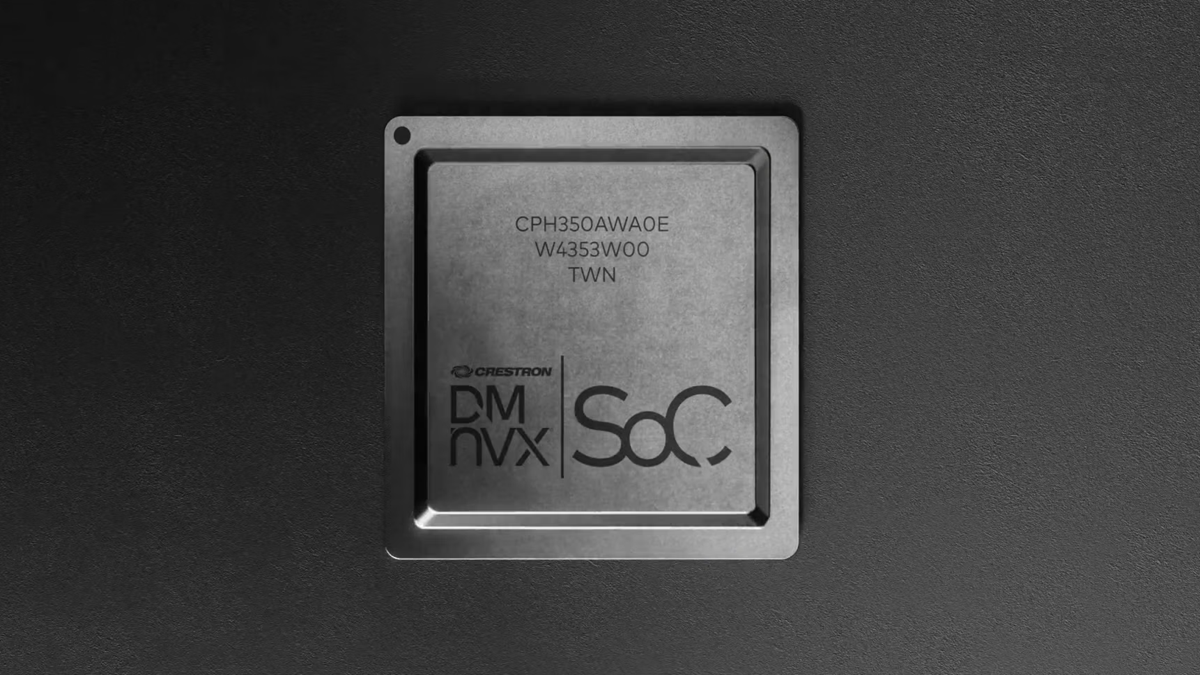
The Brief: Crestron is introducing a custom system-on-chip (SoC) for its DM NVX AV-over-IP portfolio, alongside the new DM NVX 370 encoder/decoder series. The chip is designed specifically for Crestron and supports high-resolution video distribution across networks with near-zero latency.
The DM NVX 370 features HDMI and USB-C connectivity, with USB-C delivering video and up to 100 watts of laptop charging through one cable. PoE+ provides power and network connectivity through a single cable, while multiple network ports support AV traffic separation and VLAN configurations. Audio capabilities include HDMI with eARC, analog input/output, and AES67.
Crestron offers surface-mount and rack-mount formats, and the new devices remain compatible with existing DM NVX endpoints. This enables organizations to upgrade selected rooms without replacing their entire installed base.
See full details of the announcement about Crestron's DM NVX AV-over-IP technology at crestron.com.
 Source: Crestron
Crestron Enhances DM NVX AV-over-IP with New SoC Technology
Analyst Perspective: Crestron's decision to develop its own silicon marks an important stage in the evolution of DM NVX. By designing a chip specifically for its AV-over-IP products, the company gains greater control over hardware capabilities and can tailor performance, efficiency, and thermal characteristics to the demands of networked video distribution. This gives its engineering team more freedom to refine the platform as customer requirements evolve.
The investment also makes sense given the product line's established presence in enterprise environments. Crestron has already shipped more than one million DM NVX units, creating a substantial installed base that can benefit from future product improvements. Its continued support for older endpoints also gives customers a way to adopt new technology without discarding equipment that still meets their needs.
Ultimately, custom silicon gives Crestron a stronger foundation for product differentiation. Its long-term value will depend on whether future generations deliver measurable improvements in performance, efficiency, and deployment flexibility.
DM NVX Gains a Dedicated Hardware Foundation
Crestron's new DM NVX SoC introduces a processor designed specifically for its AV-over-IP products. This gives the company greater control over the chip's capabilities, from its core functions to its efficiency and thermal performance. The design also supports new device formats, which gives Crestron more flexibility as it develops future products.
The first product to use the chip is the DM NVX 370 encoder/decoder series. Its introduction marks another stage in the development of a platform that Crestron launched in 2017 after nearly five years of development.
Since then, DM NVX has established a substantial presence in the AV market, with Crestron shipping its one-millionth unit more than two years ago. That installed base gives the company a clear reason to invest in the platform's next generation. Crestron has also indicated that further developments involving its chips will follow later in the year, suggesting that the DM NVX SoC forms part of a continuing hardware development program.
DM NVX 370 Combines Connectivity with Network Flexibility
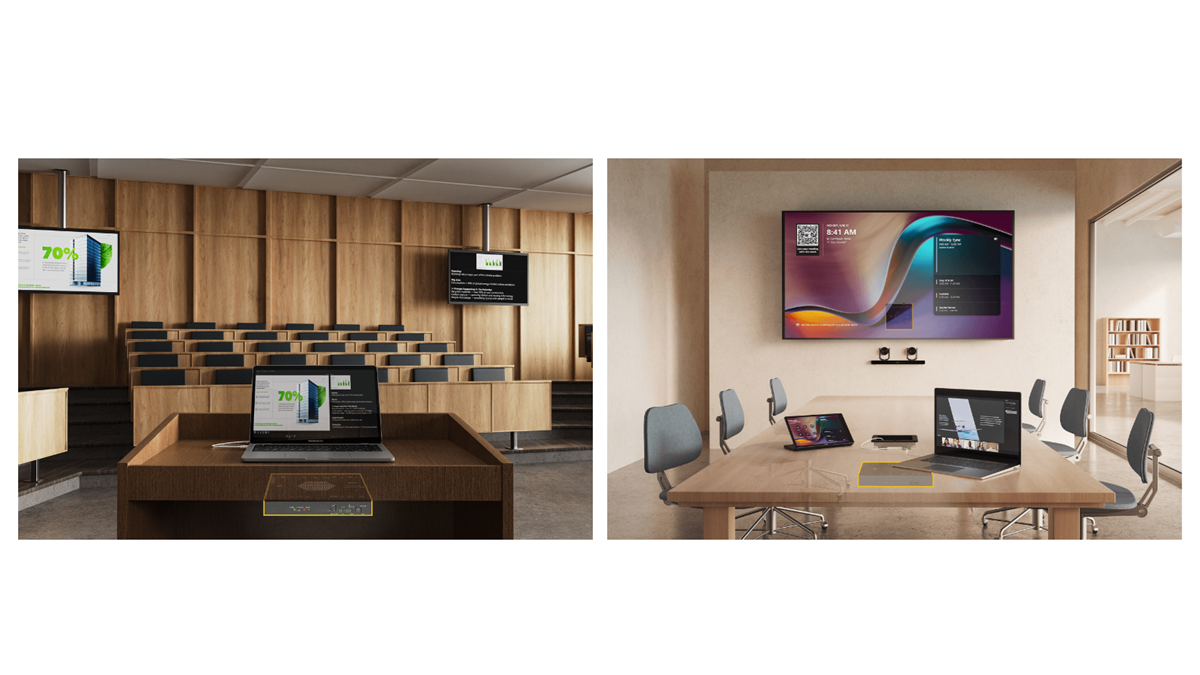
The DM NVX 370 offers HDMI and USB-C connectivity through an embedded input switch. Users can connect an HDMI source directly to a display, or use USB-C to transmit video and charge a compatible laptop at up to 100 watts through a single cable. This reduces cable clutter and simplifies connections in meeting rooms and classrooms.
Network integration offers further flexibility with PoE+ carrying power and data through one cable, so the device does not require a separate power outlet where this capability is supported. Multiple network ports also let integrators separate AV traffic or use VLANs to manage AV, control, and monitor traffic independently. The device operates on existing 1-gigabit networks.
Audio support includes HDMI audio, eARC, analog input and output, and AES67. These capabilities accommodate different audio requirements, including residential applications that benefit from eARC. Crestron also offers surface-mount and rack-mount formats, allowing integrators to choose the installation type that best suits each room.
 Source: Crestron
Cross-Generation Compatibility Enables Gradual Modernization
Crestron has retained compatibility between its new SoC-powered devices and existing DM NVX endpoints. Both generations can operate on the same network, so organizations can introduce the DM NVX 370 into selected rooms without replacing equipment elsewhere. This gives customers more control over the timing and cost of upgrades.
For example, a university could install newer endpoints in renovated classrooms while retaining existing devices in rooms that do not require immediate changes. Similarly, an enterprise could introduce the latest hardware into newly built meeting spaces while continuing to use its current DM NVX equipment across other offices.
The platform also supports capabilities such as multi-view, video walls, and the distribution of content to displays with different resolutions. These functions give organizations options for a range of environments, from standard meeting rooms to larger facilities with more complex AV requirements. With compatibility preserved, customers can introduce these capabilities where needed and maintain a consistent platform across their installations.
Crestron Builds on Its Established AV-over-IP Portfolio
Crestron's investment in custom silicon advances its established DM NVX portfolio and reinforces its commitment to network-based AV distribution.
Enterprises, universities, and other large institutions need AV systems that can serve multiple rooms without requiring a separate solution for every space. The new hardware supports that goal, while compatibility allows organizations to modernize at a pace that suits their budgets and infrastructure plans.
Deployment Requirements and Potential Challenges
Despite these benefits, customers must verify network capacity, PoE+ availability, VLAN configurations, and compatibility with their existing equipment before deployment. Integrators should also confirm that USB-C power delivery and eARC meet the needs of each installation.
Careful planning and testing can help prevent configuration issues and ensure that the equipment performs as intended.
Future Outlook
Crestron's custom chip gives the company greater control over future hardware development, and its plans for additional chip developments suggest that the portfolio will continue to evolve.
The next stage will depend on how effectively those developments improve efficiency, reliability, and installation flexibility. For organizations with substantial DM NVX deployments, the combination of new hardware and continued compatibility offers a credible path toward gradual modernization without unnecessary equipment replacement.
Strengthen your brand voice through expert-led video and digital content. Get in touch with our team at the Collab Collective to learn how we help technology providers reach the right audience.


