 ·
3 minute read
·
3 minute read
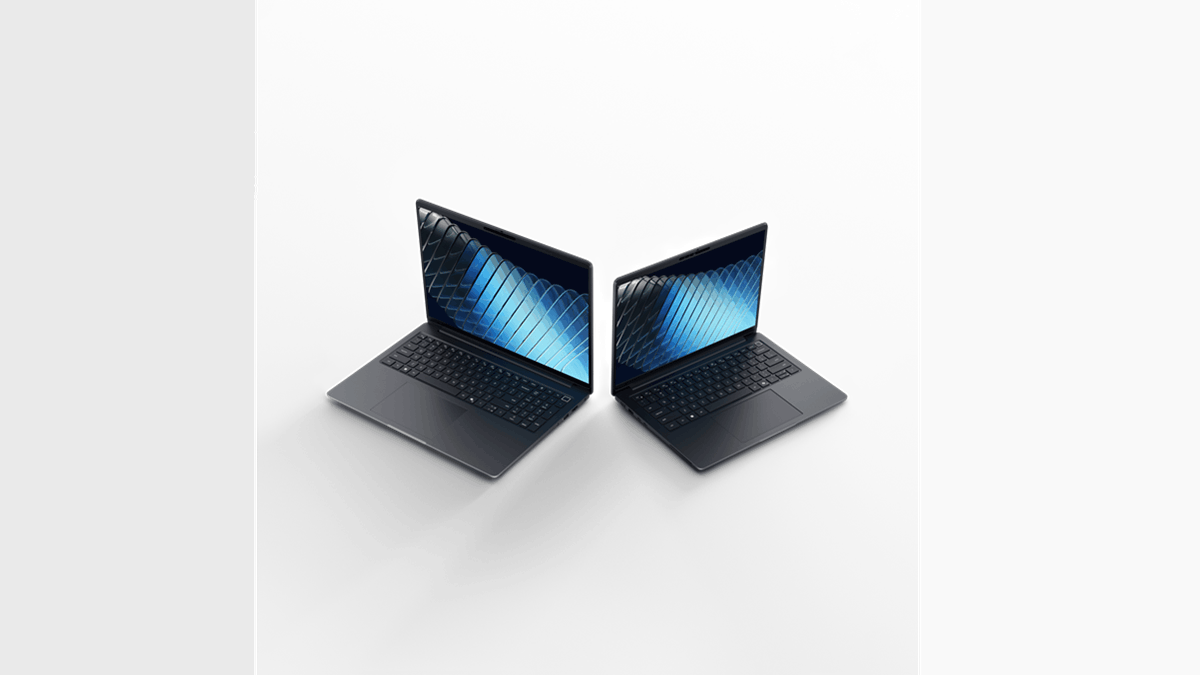
The Brief: Dell unveiled the new Dell Pro 5 as part of its redesigned commercial laptop and 2-in-1 portfolio aimed at mainstream business users.
The device targets knowledge workers, analysts, managers, and hybrid employees who rely on productivity applications, video conferencing, business intelligence tools, and multitasking workflows throughout the workday.
Dell Pro 5 includes Intel Core Ultra and AMD Ryzen AI PRO processors, integrated Intel Arc or AMD Radeon graphics, PCIe Gen5 storage, and up to 64 GB of upgradeable memory.
The lineup also added premium features previously reserved for higher-end devices, including optional FHD+ OLED displays, 8MP cameras, mini-LED backlit keyboards, privacy features, and optional 5G connectivity. Additional updates include thinner chassis construction, larger cooling systems, quieter acoustics, and durability enhancements focused on enterprise use cases.
Discover full details of the announcement about the launch of Dell Pro 5 at dell.com.
 Source: Dell
Dell Introduced the New Dell Pro 5 With Premium Features for Mainstream Workforces
Analyst Perspective: Dell’s latest commercial refresh highlights a stronger push to bring AI-ready hardware to more employees across the business instead of reserving advanced capabilities for high-end executive laptops.
Dell Pro 5 sits in a category that typically drives the highest deployment volumes across organizations, which makes its positioning especially relevant for IT buyers planning long-term device refresh cycles.
The inclusion of upgradeable LPCAMM2 memory and modular components suggests Dell is also responding to enterprise concerns surrounding lifecycle management and operational costs. These decisions support longer usability windows while giving IT departments more flexibility when scaling performance requirements over time.
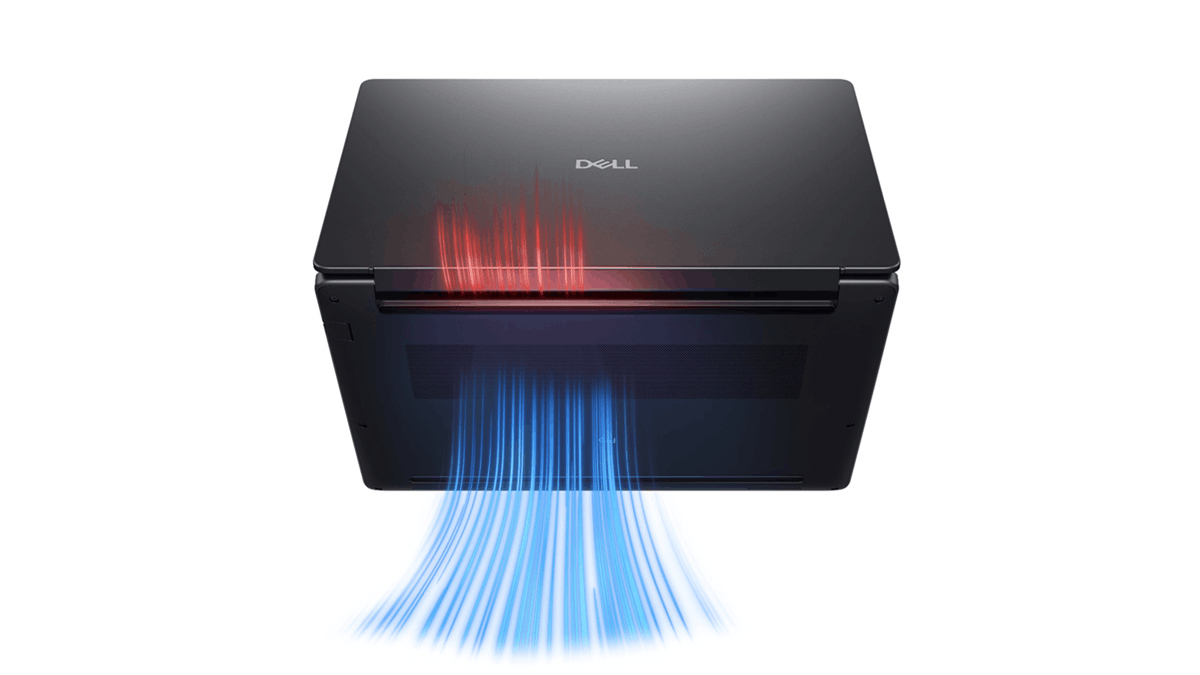
Another important aspect is the balance between portability and sustained performance. Dell’s thermal redesign and quieter operation indicate that the company is prioritizing user experience during extended productivity sessions, particularly in hybrid work settings where conferencing, multitasking, and mobility now overlap continuously.
 Source: Dell
Expanded Premium Features Across the Mainstream Commercial Segment
Dell positioned the Pro 5 as a mainstream commercial laptop that integrates premium capabilities commonly associated with higher-tier enterprise systems. The company introduced optional FHD+ OLED displays with high brightness levels and variable refresh rates intended to improve visual clarity for productivity workloads and video conferencing.
Moreover, Dell added an optional 8MP camera with temporal noise reduction to improve image quality during virtual meetings conducted in inconsistent lighting conditions.
Security and privacy capabilities also received attention in the redesign. Dell included optional privacy solutions that limit side-angle screen visibility while supporting secure work in shared environments. Connectivity options include Wi-Fi 7 and optional 4G or 5G WWAN support for employees who require reliable remote access beyond traditional office networks.
Dell combined these features with embedded security technologies, including SafeID and ControlVault 3+, to support enterprise authentication and protection requirements.
Focus on AI Compute, Graphics Performance, and Upgradeability
The Dell Pro 5 introduces new Intel Core Ultra and AMD Ryzen AI PRO processors designed to support multitasking workloads and local AI processing. Dell stated that the system delivers major gains in multithreaded performance and AI compute compared with previous generations.
Integrated graphics options include Intel Arc graphics with up to 12 Xe cores, and AMD Radeon graphics with up to 16 RDNA 3.5 compute units, supporting business applications that require stronger visual processing capabilities.
Memory and storage upgrades were another focus in Dell’s announcement. Intel configurations include LPCAMM2 memory designed for easier future upgrades, while AMD models support replaceable DDR5 memory up to 64GB. PCIe Gen5 SSD support is also included to help speed up file transfers and application performance.
These additions position the Dell Pro 5 for users working with analytics dashboards, productivity suites, collaboration platforms, and light creative workloads.
Redesigned Cooling, Durability, and Serviceability for Enterprise Environments
To improve performance and mobility, Dell redesigned the internal architecture of the Pro 5 with better airflow, thermal performance, and portability.
The company also reduced motherboard size to create additional internal space for larger cooling systems and batteries. The 14-inch and 16-inch models both feature larger fans than previous generations, resulting in higher airflow and quieter operation under sustained workloads.
Dell also focused heavily on durability testing and long-term serviceability, with the system undergoing hinge testing, micro-drop simulations, spill-resistance evaluations, and weighted-pressure tests to reflect real-world business usage. USB-C ports were engineered with a modular design to improve durability and simplify replacement if damaged.
Moreover, serviceability improvements extend to internal components, including batteries, memory modules, wireless cards, and SSDs. Dell also unified mainboard designs across portions of the Pro lineup to simplify maintenance workflows for enterprise IT teams managing large hardware deployments across distributed workforces.
Dell Extends Its Commercial PC Strategy Beyond Traditional Productivity Devices
The Dell Pro 5 fits into the company’s wider commercial PC strategy by giving businesses a device designed for AI-assisted work without requiring the cost or complexity of premium workstation systems.
The product addresses common enterprise pain points involving battery life, conferencing quality, upgrade limitations, and thermal performance while maintaining a form factor suitable for hybrid work environments.
Balancing Enterprise Demands with Long-Term Device Management
One challenge may involve helping organizations determine where AI-capable mainstream systems fit within existing refresh strategies and budget planning. Businesses may also need guidance around upgrade paths, especially as newer memory technologies and AI-enabled processors become more common across enterprise fleets.
Dell’s modular serviceability approach could help reduce long-term support complexity and improve repair efficiency for IT departments.
Outlook for Dell’s Mainstream AI PC Direction
The Dell Pro 5 positions Dell to compete aggressively in the growing category of AI-ready commercial laptops aimed at broad workforce deployments.
Demand will likely increase among organizations standardizing hardware for hybrid employees, mobile professionals, and productivity-focused teams seeking performance improvements without adopting specialized devices.
Deliver value to your audience with informed perspectives on today’s evolving workplace technologies. Schedule a call at the Collab Collective to connect with experts ready to contribute to your media or speaking engagements.