 ·
2 minute read
·
2 minute read
The Brief: Google has teamed up with Back Market to introduce a ChromeOS Flex USB Kit that helps extend the life of older PCs and Macs. The release follows the end of support for Windows 10, leaving many devices without security updates.
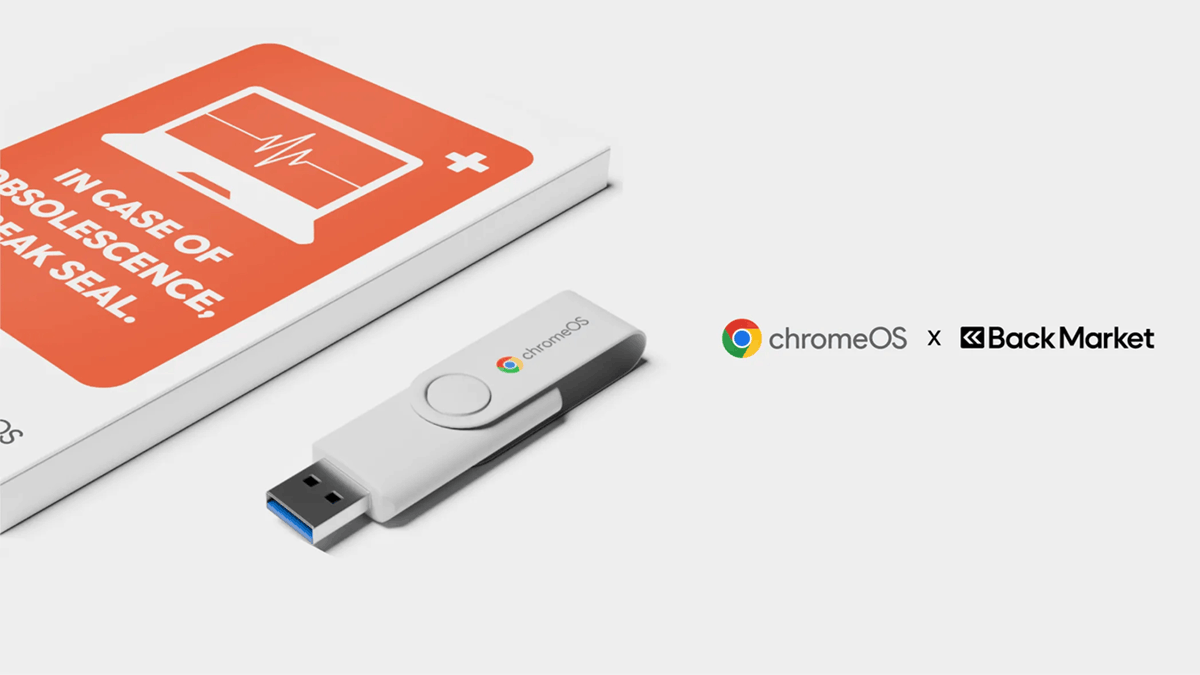
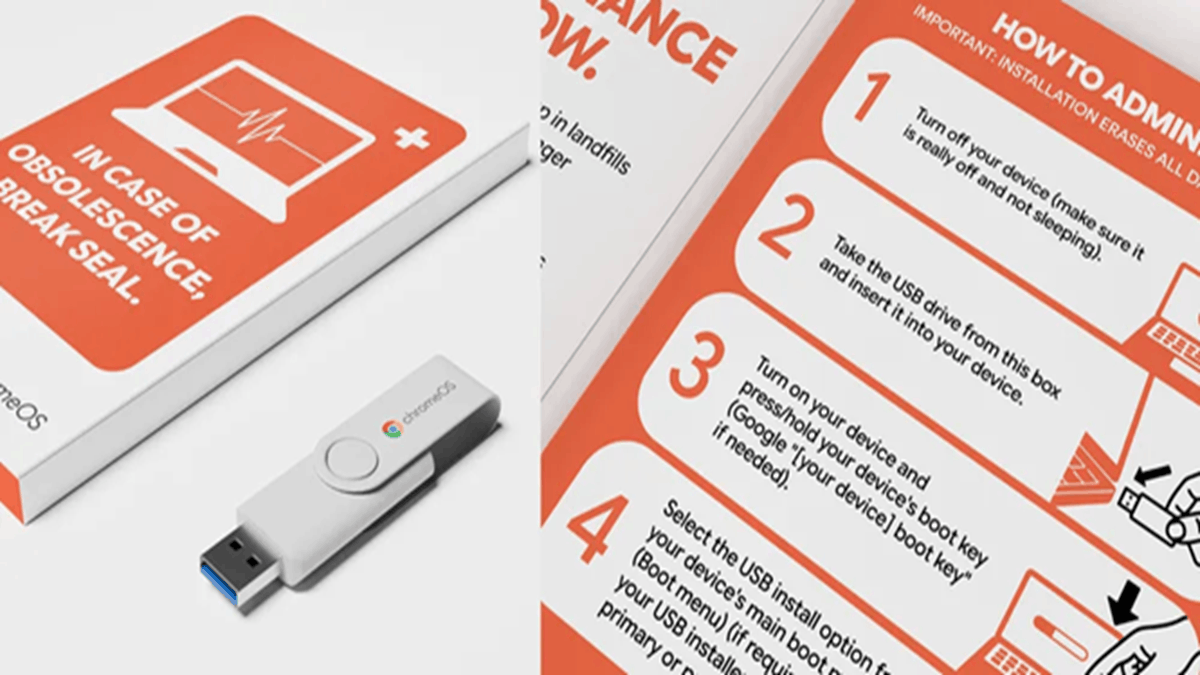
The kit allows users to install ChromeOS Flex, a free operating system designed to run smoothly on aging hardware. It includes a USB drive, along with step-by-step guides and video tutorials to make installation easier.
Priced at around $3 or €3, the kit is reusable and easy to keep on hand for future use. It also ties into Google’s broader efforts to extend software support and keep devices running longer.
Read full details of the announcement about ChromeOS Flex USB Kit at blog.google.
Google Partners with Back Market to Offer ChromeOS Flex USB Kit for Old Computers
Analyst Perspective: Google is strengthening ChromeOS Flex as an option for users who want to keep their current devices. This update highlights a steady effort to make software do more, even on older devices. It shows a clear interest in keeping devices useful without immediate replacement.
The USB kit plays an important role in that effort. It simplifies installation and makes the process more approachable for everyday users. This helps remove technical barriers that might otherwise hold people back.
In the larger context, this supports Google’s wider ecosystem strategy. It keeps users connected to its services while offering a consistent experience across different devices, including those that might otherwise be set aside.
 Source: Google
Expanding Access to ChromeOS Flex Through Physical Kits
The ChromeOS Flex USB Kit introduces a tangible way to install the operating system without relying solely on digital downloads. It simplifies onboarding for users who may be unfamiliar with OS installation processes.
Back Market supports the rollout with instructional content, including guides and video tutorials, designed to improve accessibility. The inclusion of a reusable USB drive adds practical value, allowing users to apply the installation across multiple compatible devices.
This distribution method makes installation easier to follow while helping more users get started, regardless of technical experience.
Addressing Device Obsolescence After Windows 10 Support Ends
The timing of the initiative aligns with the end of support for Windows 10, which has left many systems without ongoing updates.
ChromeOS Flex provides an alternative path that allows users to continue using existing hardware with improved security and performance. Rather than requiring immediate hardware replacement, the solution enables continuity through software adaptation.
This is particularly relevant for individuals and organizations seeking cost-effective ways to maintain operations without transitioning to new devices. Plus, the availability of a certified models list further helps users assess compatibility and expected performance.
Supporting Sustainability Through Extended Device Lifecycles
The initiative emphasizes sustainability by reducing the need to manufacture new devices.
Extending the life of existing hardware helps reduce electronic waste and lower the environmental impact of production. ChromeOS Flex contributes to this effort through improved energy efficiency compared to traditional operating systems.
Google’s collaboration with Closing the Loop further reinforces this direction, focusing on responsible e-waste management. These efforts align with a broader industry shift toward circular technology models, where reuse and longevity play a more central role in product strategies.
A Simple Path to Keep Devices Useful
The ChromeOS update fits well within Google’s overall portfolio, which includes Chromebooks and long-term support initiatives. ChromeOS Flex offers users the option to keep their current devices running without buying new hardware, and it is especially useful for schools, small businesses, and individuals working within a budget.
That said, some users may still hesitate due to compatibility concerns or unfamiliarity with a new operating system. But clearer guidance, wider device certification, and continued education can help ease these concerns.
In the coming years, ChromeOS Flex may appeal to users prioritizing cost and sustainability. It supports Google’s presence in everyday computing and helps extend the usefulness of older devices.
Deliver value to your audience with informed perspectives on today’s evolving workplace technologies. Schedule a call at the Collab Collective to connect with experts ready to contribute to your media or speaking engagements.