 ·
3 minute read
·
3 minute read
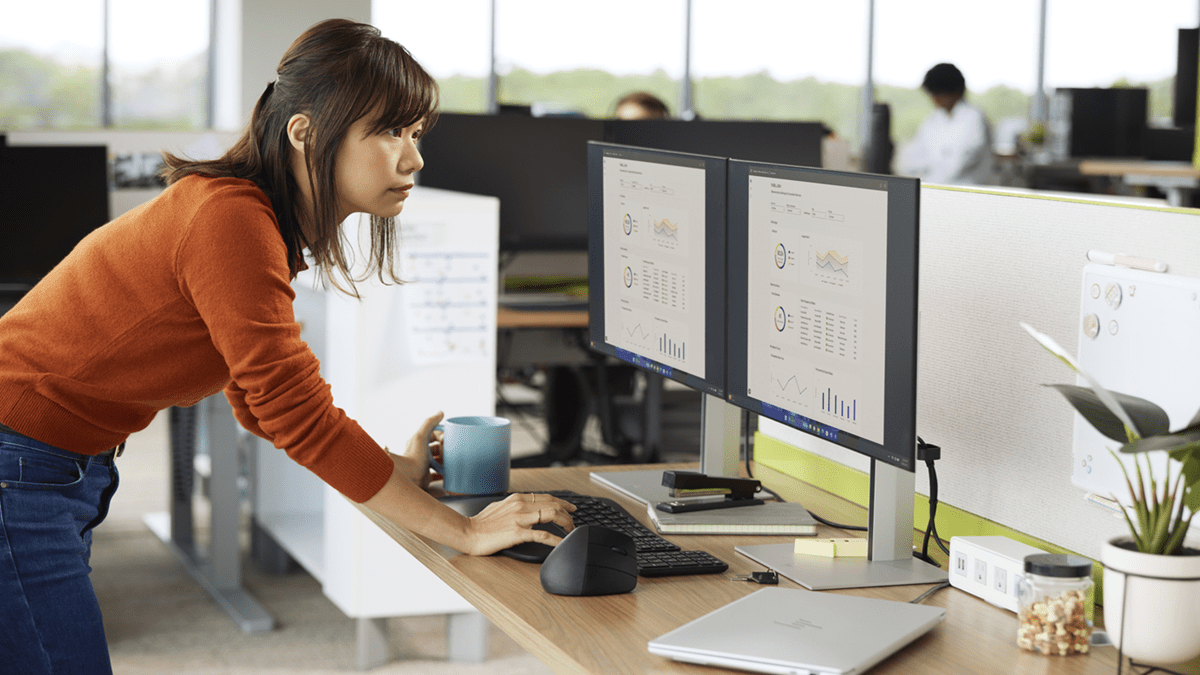
The Brief: At CES 2026, HP Inc. introduced a series of updates spanning software, hardware, and digital engagement, all aimed at supporting hybrid and distributed work models.
The company announced new capabilities for its Workforce Experience Platform (WXP), including firmware-level device recovery, unified printer management, collaboration space analytics, custom alerts, and simplified deployment through AWS Marketplace.
HP also showcased new ergonomic and sustainable accessories, travel-ready peripherals, and a consolidated HP Poly Studio Apps platform for managing collaboration devices and select HP hardware.
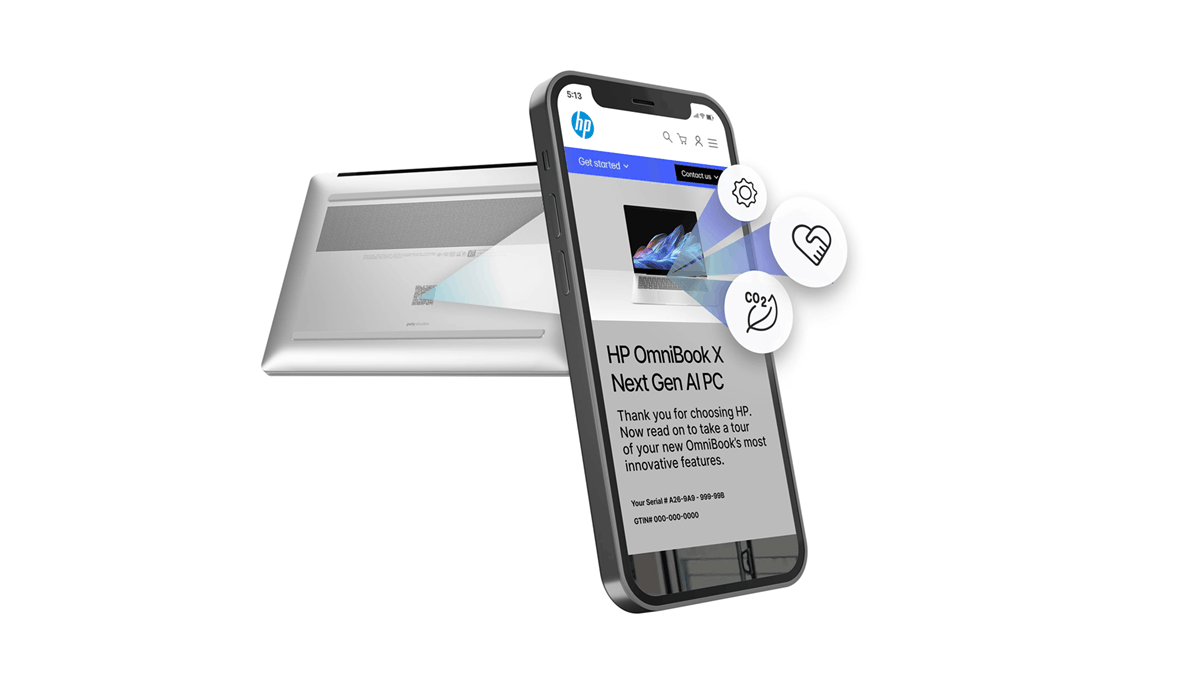
At the same time, HP unveiled HP Digital Passport, a QR-code-based digital experience designed to centralize device information, sustainability data, and lifecycle support for new HP PCs.
Explore full details of the announcement about HP at CES 2026 at hp.com.
 Source: HP
HP Advances Hybrid Work with Workforce Experience Platform Upgrades, Smart Devices, and Digital Passport
Analyst Perspective: HP’s CES 2026 announcements point to a deliberate effort to connect device management, end-user experience, and sustainability into a more cohesive model. Rather than treating these as separate initiatives, HP positions them as complementary parts of how hybrid work operates at scale. This approach acknowledges that gaps in productivity usually appear where technology, oversight, and user experience intersect.
By aligning platform capabilities with everyday hardware and a digital engagement layer, HP reduces the gap between IT operations and employee interaction. The focus is not on adding complexity but on improving continuity across the device lifecycle. That consistency may appeal to organizations seeking incremental improvements without disruptive change.
Overall, HP appears to be reinforcing reliability and clarity as core design principles. The strategy favors practical outcomes, such as fewer touchpoints, clearer ownership, and smoother transitions across environments, rather than introducing entirely new workflows.
Workforce Experience Platform Expands Device Control and Visibility
HP’s Workforce Experience Platform updates introduce deeper device-level control intended to reduce disruption in distributed environments.
With the introduction of Out-of-Band Remote Connect, IT teams can access supported Intel vPro Enterprise PCs at the BIOS level, even when the operating system is unavailable. That capability adds a critical layer of control during high-impact failures.
Beyond recovery, WXP now brings multi-vendor printer management into the same console as PCs and collaboration devices, reducing tool sprawl. Custom alerts allow teams to monitor device health based on their own thresholds, while collaboration space analytics connect room usage, scheduling, and occupancy data.
Combined with availability through AWS Marketplace, these updates aim to streamline deployment, improve uptime, and give IT teams clearer, more actionable visibility across fleets.
 Source: HP
Smart and Sustainable Accessories Support Flexible Workstyles
HP’s hybrid work accessories are built around the idea that productivity should follow employees wherever they work.
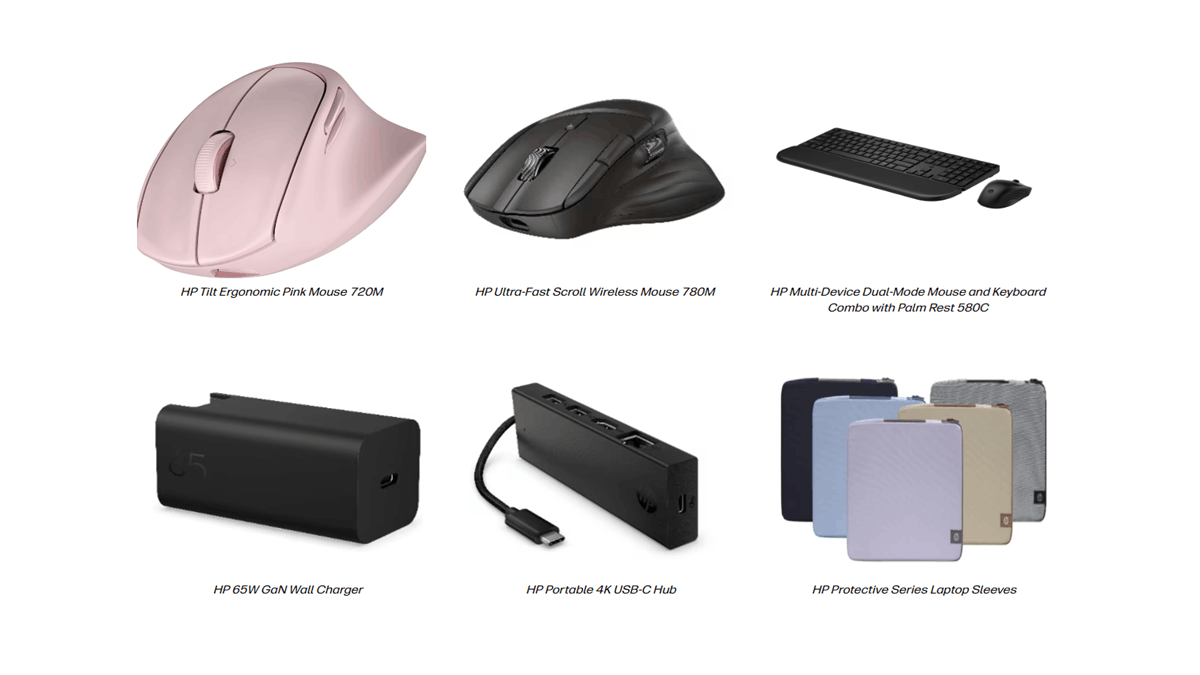
New mice and keyboard combinations balance comfort with practicality, adding features like programmable buttons, multi-device connectivity, and fast, battery-free charging. These designs also reflect a growing emphasis on sustainability, with extensive use of recycled materials across the lineup.
For mobile professionals, HP’s compact chargers, USB-C hubs, and laptop sleeves make it easier to set up quickly in any environment. HP also simplifies how collaboration hardware is managed by unifying tools under HP Poly Studio Apps.
These updates focus on removing small but persistent obstacles that can disrupt flexible, modern workstyles.
 Source: HP
Digital Passport Centralizes the HP PC Ownership Experience
HP Digital Passport is designed to make owning an HP PC simpler and more connected.
Each new device includes a unique QR code that links directly to a personalized digital hub. Users can quickly access setup instructions, explore features, check sustainability details, find compatible accessories, and get support—all from a mobile-friendly interface.
For businesses, the QR codes also make it easier to track and manage fleets, helping IT teams stay organized. By replacing printed manuals, Digital Passport reduces paper waste while keeping essential information at users’ fingertips.
Over time, it adapts to new device capabilities and changing support needs, creating a continuous, user-focused connection between HP and its customers.
Conclusion: HP Is Aligning Hybrid Work Tools With Operational Reality
HP’s CES 2026 announcements align closely with its existing portfolio of PCs, peripherals, and management software, creating a more integrated hybrid work ecosystem.
By leveraging the Workforce Experience Platform, HP builds on its established device management capabilities, while the addition of smart, sustainable peripherals and HP Digital Passport complements notebooks, displays, and collaboration hardware already in the market.
This holistic approach addresses common pain points such as IT complexity, fragmented device oversight, and inefficient workflows that often challenge distributed organizations.
Customer Benefits and Use Cases
The updates are likely to resonate most with mid-to-large enterprises managing distributed teams, IT-heavy environments, and commercial fleets.
End-users benefit from tools that are easier to deploy, manage, and maintain, while IT teams gain greater visibility, streamlined operations, and actionable insights.
Sustainability-conscious organizations also gain a measurable reduction in environmental impact through digital-first solutions and recycled hardware materials.
Challenges and Outlook
Potential adoption challenges may include ensuring consistency across multi-vendor environments and driving engagement with new digital experiences, which can be mitigated through clear onboarding, training, and leveraging HP’s unified platforms.
Looking forward, HP’s approach positions the company to strengthen its hybrid work leadership by offering solutions that evolve alongside operational demands, providing both scalability and resilience for modern organizations. The integrated portfolio approach suggests continued alignment between technology innovation and real-world enterprise needs.
Get the latest trends, strategies, and updates shaping hybrid work and collaboration technology. Subscribe to our newsletter today and keep your team ahead of the curve.