 ·
3 minute read
·
3 minute read
The Brief: At ISE 2026, Microsoft detailed the continued expansion of the Microsoft Device Ecosystem Platform (MDEP), positioning it as an enterprise-grade Android-based platform designed to address long-standing challenges with AOSP deployments at scale.
Built on AOSP without forking it, MDEP emphasizes predictable lifecycle management, security rooted in zero-trust principles, and native integration with Microsoft services.
Microsoft highlighted a growing roster of hardware partners introducing MDEP-powered devices across collaboration, shared spaces, phones, and emerging signage scenarios. Announcements included new products from Crestron, Shure, Cisco, MAXHUB, Neat, Yealink, and AudioCodes, alongside pilots in digital signage with IAdea.
Microsoft also outlined progress on compliance milestones, including GCC, GCC High, and DoD readiness, with FIPS validation underway.
 Source: Microsoft
Microsoft Expands Enterprise Android with MDEP at ISE 2026
Analyst Perspective: MDEP positions Android as infrastructure rather than an experiment, signaling a deliberate shift toward long-term platform stewardship.
The approach shows a focus on reducing operational complexity for both device makers and enterprise customers by standardizing core behaviors that are often fragmented across Android implementations. Instead of prioritizing rapid change, the emphasis is on control, predictability, and durability over multi-year lifecycles.
The broader implication is greater operational maturity across enterprise deployments. Predictable platform behavior allows organizations to plan rollouts, refresh cycles, and compliance activities with fewer assumptions and less risk. This consistency supports environments where shared devices must operate reliably with minimal intervention.
In that context, Android becomes a more viable option for regulated and large-scale scenarios, aligning more closely with the governance, uptime, and lifecycle expectations enterprises typically associate with platforms supported by Microsoft.
Expanding the MDEP Partner Device Ecosystem
Microsoft used ISE 2026 to showcase how broadly MDEP is being adopted across enterprise hardware categories.
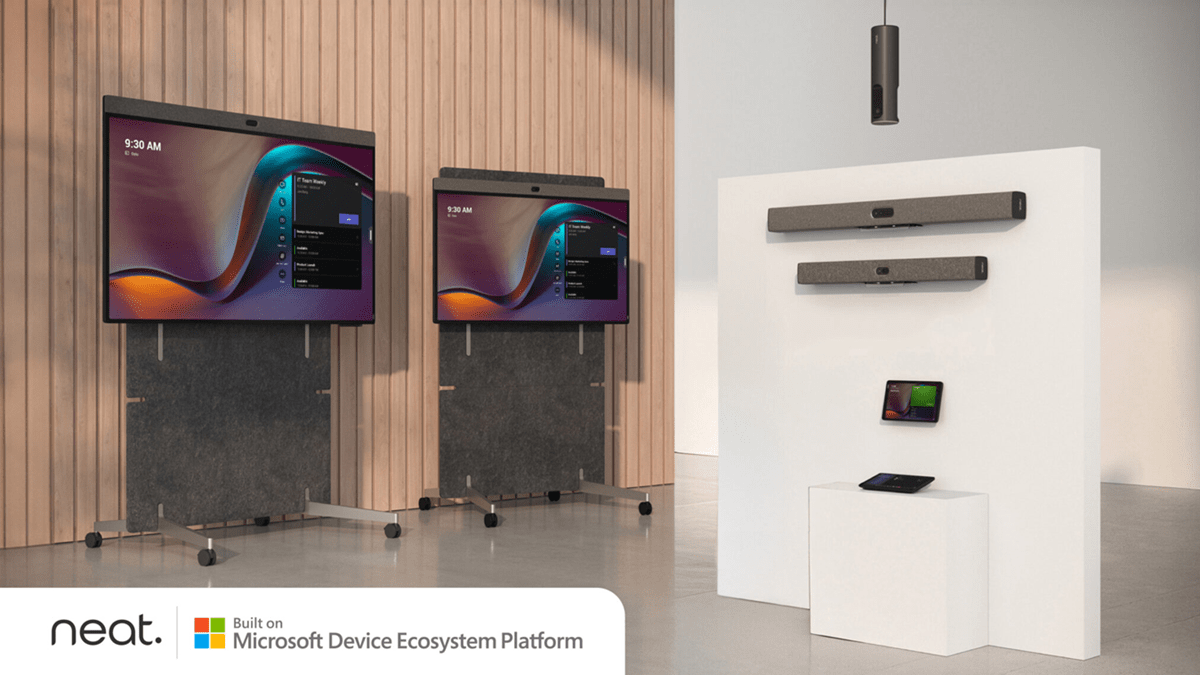
New devices announced at the event ranged from touch controllers and room systems to collaboration bars, desk phones, and scheduling panels, with Crestron, Shure, Cisco, MAXHUB, Neat, Yealink, and AudioCodes all presenting MDEP-based offerings aimed at shared spaces and scalable deployments.
While the products vary in purpose and design, they are unified by a consistent platform foundation. Each leverages MDEP for security alignment, predictable software updates, and centralized device management.
Partners emphasized that this common platform approach simplifies deployment and shortens development cycles, reducing the need to sustain custom Android builds.
Security and Compliance as Core Platform Attributes
From its earliest design choices, MDEP has been built with security as a core operational requirement.
Microsoft described a hardware-based trust model that uses PKI-backed attestation to confirm device integrity, establishing a continuous chain of trust between hardware components and cloud services. This method supports zero-trust principles and maintains consistency with the security posture of Microsoft’s first-party devices.
MDEP is further reinforced through Secure Future Initiative practices, which govern how software is built, signed, and delivered.
Compliance milestones already achieved include GCC, GCC High, and DoD readiness, with FIPS certification underway. This level of assurance addresses longstanding barriers for Android deployments in regulated and compliance-sensitive sectors.
Extending MDEP Beyond Collaboration Devices
Beyond meeting rooms and phones, Microsoft confirmed efforts to expand MDEP into additional enterprise scenarios.
A pilot with IAdea explores digital signage applications, focusing on lifecycle predictability and secure deployment in always-on environments. Preview signage devices were planned for demonstration at ISE following a six-month evaluation period.
Microsoft also noted engagement with other hardware developers, including Lango Tech, to explore new device categories. This signals intent to treat MDEP as a horizontal platform rather than a collaboration-specific solution.
How Microsoft Is Reframing Android for Enterprise-Scale Use
MDEP’s trajectory reflects Microsoft’s long-term commitment to refining an enterprise-ready Android platform rather than launching a point solution.
As partner portfolios mature across collaboration systems, desk phones, and signage, MDEP increasingly functions as a stable backbone that supports incremental innovation without disrupting operational consistency.
This progression is evident in how partners are expanding device classes, adopting newer Android versions, and targeting regulated or high-uptime environments using a shared platform foundation.
As MDEP scales into additional form factors, challenges such as ecosystem coordination, update cadence expectations, and partner differentiation will need careful management. These can be addressed through tighter platform governance, clearer lifecycle communication, and continued investment in security validation.
MDEP appears positioned to become a durable enterprise Android layer that evolves alongside Microsoft’s broader device and cloud strategy, supporting sustained growth across multiple enterprise workloads rather than a single category.
Bring trusted, expert insight to your next media story or industry conversation. Reach out to our team to access informed perspectives on workplace collaboration and modern work technology.