 ·
4 minute read
·
4 minute read
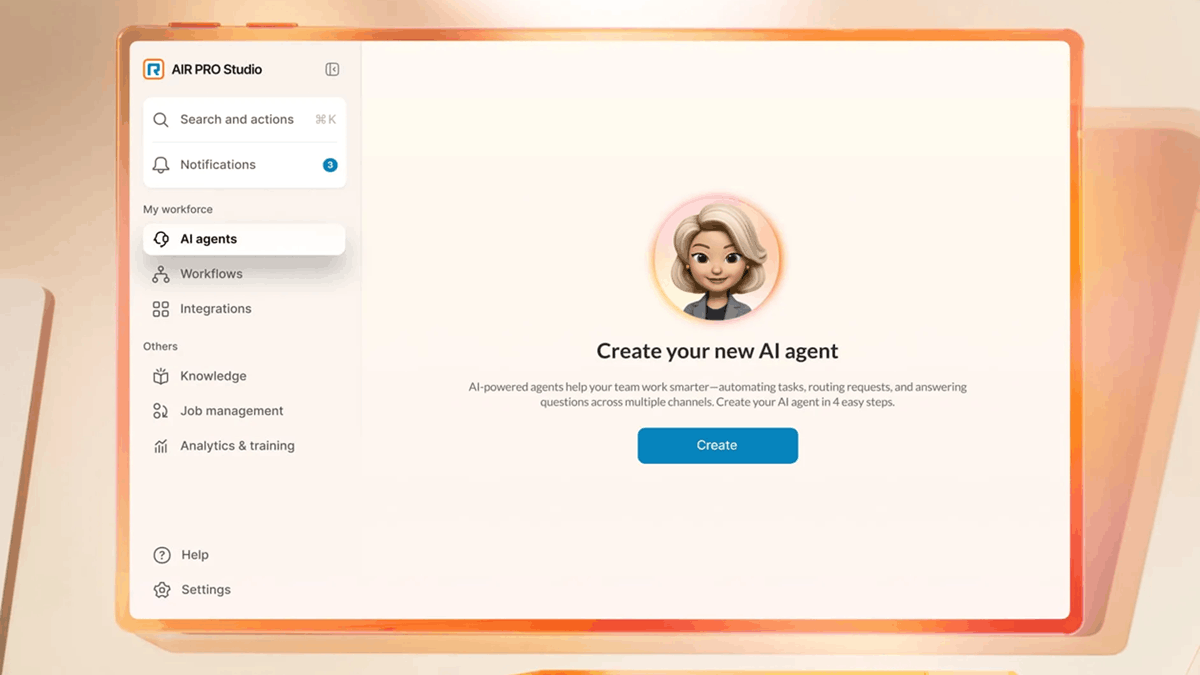
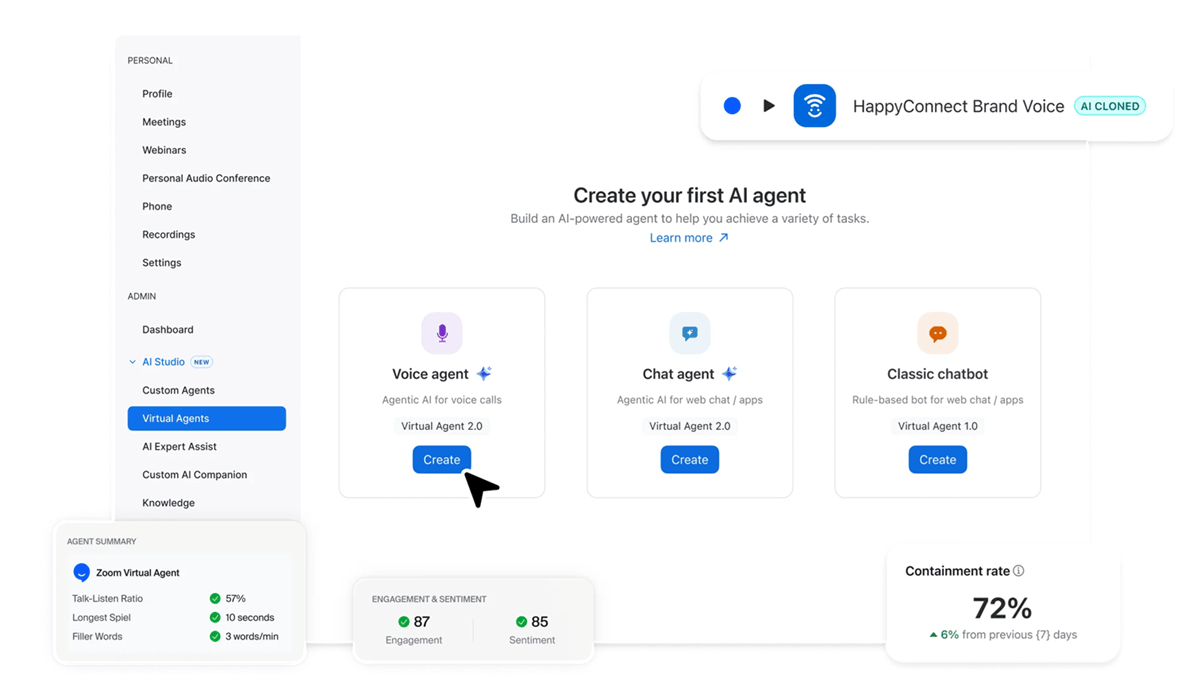
The Brief: Zoom Communications, Inc. announced Zoom Virtual Agent 3.0 (ZVA), an updated virtual agent platform designed to automate complex customer service interactions across voice and chat channels.
The new release introduces an updated execution architecture built on Zoom AI Companion 3.0 and expands the system’s ability to coordinate multi-step workflows across enterprise applications such as CRM, billing, and order management platforms.
New capabilities include workflow orchestration across systems, governance tools that provide visibility into automated actions, and features intended to support proactive engagement and continuous learning.
Future updates planned for Spring 2026 will introduce multimodal AI capabilities and outbound automation features.
Discover full details of the announcement about Zoom Virtual Agent 3.0 at news.zoom.com.
 Source: Zoom
Zoom Launches Virtual Agent 3.0 for End-To-End Customer Resolution Automation
Analyst Perspective: Customer service technology is evolving as organizations move beyond conversational chatbots and look for automation that can connect with business systems and complete service tasks that resolve customer requests.
With Zoom Virtual Agent 3.0, new capabilities support this direction. The platform can trigger actions linked to customer inquiries, which helps service teams spend less time handling routine tasks. And when automation can work directly with enterprise applications, the service process can move forward with fewer manual steps.
Because of this, many organizations now see value in linking conversational AI with operational workflows. When evaluating customer service tools, companies often consider how well automation fits within their existing systems. Platforms that connect customer conversations with business operations can help teams work more efficiently while maintaining consistent service experiences.
 Source: Zoom
A New Execution Architecture for Virtual Agent Automation
Zoom introduced ZVA with a redesigned execution architecture intended to support automated customer service workflows across voice and chat interactions. The platform builds on Zoom AI Companion 3.0, enabling automated workflows that can interact with enterprise systems such as CRM, billing, and order management platforms.
The company describes the update as part of a shift toward what it calls the resolution economy, where organizations evaluate customer service performance through outcomes such as first-contact resolution and reduced repeat interactions.
Zoom reports that many customers still encounter limitations when interacting with traditional chatbots. Survey findings commissioned through Morning Consult highlight common frustrations among users of automated service tools. The research indicates that 43% of respondents reported chatbots failing to resolve their issue, while others cited being trapped in repetitive loops or needing to restate information during support interactions.
Governance and Transparency Features Provide Oversight for Automated Actions
Zoom Virtual Agent 3.0 introduces governance and transparency features designed to help administrators understand how automated workflows operate.
These capabilities allow account administrators to review the data sources, workflow logic, and automated decision paths used during interactions. With these tools, customer experience teams can audit how automation performs, identify breakdowns in workflow execution, and refine automation policies as needed.
The governance framework is intended to support responsible deployment of automated systems while maintaining oversight across service operations. The platform also enables seamless escalation to human agents when automation cannot fully resolve a request.
In these cases, the virtual agent transfers the entire workflow history, including verified inputs and actions already taken, to a live representative. This allows the service interaction to continue without requiring customers to repeat previously submitted information.
 Source: Zoom
Product Enhancements Expand the Scope of Automated Customer Service Workflows
Several additional capabilities planned for general availability in Spring 2026 aim to expand the types of service scenarios that the platform can automate.
One development involves multimodal large language model capabilities, allowing the virtual agent to interpret documents, images, and structured identifiers submitted during support interactions. Through these capabilities, the system can extract relevant data directly from uploaded files, such as serial numbers or completed forms. This information can then be used to progress service workflows that previously required manual verification.
The platform will also introduce proactive outbound engagement features. These tools enable the virtual agent to initiate communication with customers, confirm updates, and complete tasks triggered through known service events.
In addition, the system includes a continuous learning capability when integrated with Zoom Contact Center. The virtual agent can analyze interactions escalated to human agents and identify successful resolution approaches that can inform future automated responses.
Automation Expands Toward Operational Customer Service Workflows
Opportunities Created Through Workflow-Based Automation
The introduction of Zoom Virtual Agent 3.0 reflects a broader shift in customer service technology toward automation that can complete operational tasks rather than simply respond to questions.
Many customer support requests require actions across multiple internal systems, such as validating account information, updating billing records, initiating orders, or scheduling logistics processes. Platforms capable of coordinating these steps within a single automated workflow can help organizations reduce manual intervention while maintaining continuity across customer interactions.
This approach is particularly relevant for companies managing large volumes of service requests, including telecommunications providers, subscription services, e-commerce platforms, and technology vendors. For these organizations, automation that integrates with operational systems may help streamline service processes while maintaining visibility into automated activity.
Operational Considerations for Implementation
Implementing workflow-driven automation requires reliable integration across multiple enterprise systems, which can be complex in environments built over time with different platforms and tools. Organizations must ensure that data flows correctly across these systems so automated workflows operate without interruption.
Governance also becomes increasingly important as automation begins performing operational tasks. Clear oversight and administrative visibility help ensure automated actions follow internal policies and regulatory requirements.
The Road Ahead for Workflow-Driven Customer Service
From an industry perspective, virtual agents will likely continue evolving toward platforms that orchestrate service workflows rather than simply manage conversations.
Advances such as multimodal AI, automated learning loops, and proactive engagement capabilities suggest that automation will increasingly participate in operational decision-making within customer service environments.
For vendors such as Zoom, these developments position virtual agents as a bridge between customer interactions and enterprise systems. As organizations continue exploring automation strategies to manage service demand and operational costs, platforms capable of linking conversations with backend workflows may become an increasingly common component of modern customer experience infrastructure.
Stay ahead of market shifts with forward-looking analysis built for investors. Get in touch to see how our insights help private equity firms identify opportunity and manage risk.