 ·
3 minute read
·
3 minute read
The Brief: Cisco announced a new set of collaboration devices and platform capabilities at ISE 2026, designed to simplify deployment, management, and operation across modern workspaces.
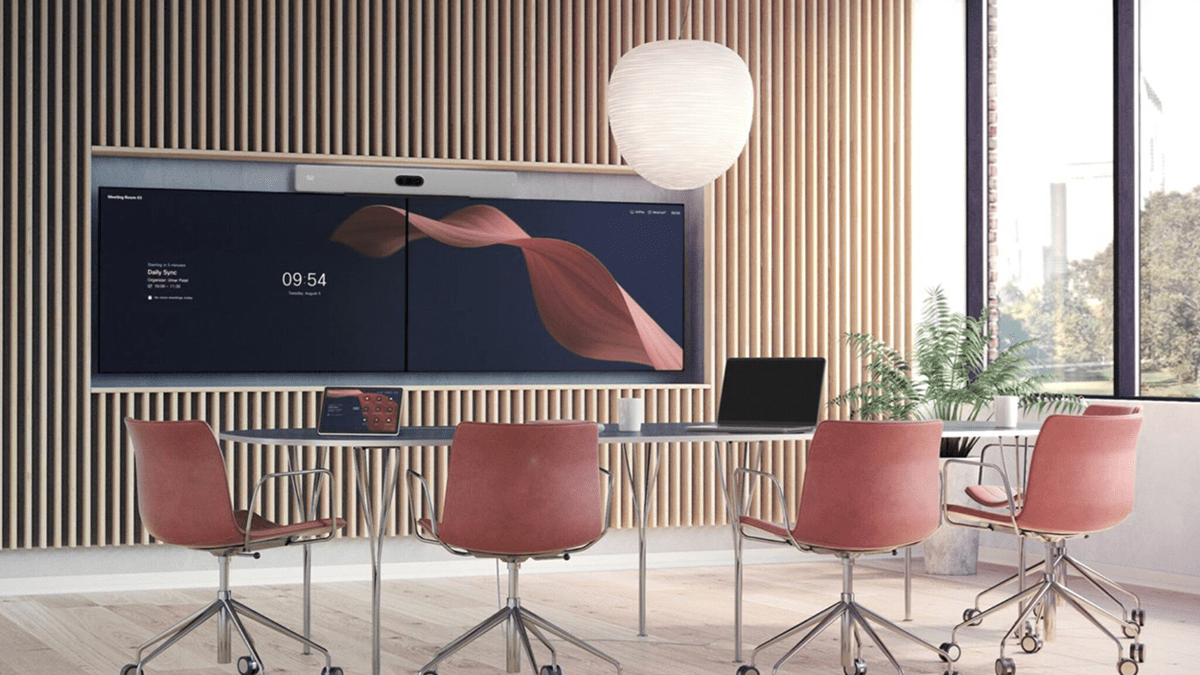
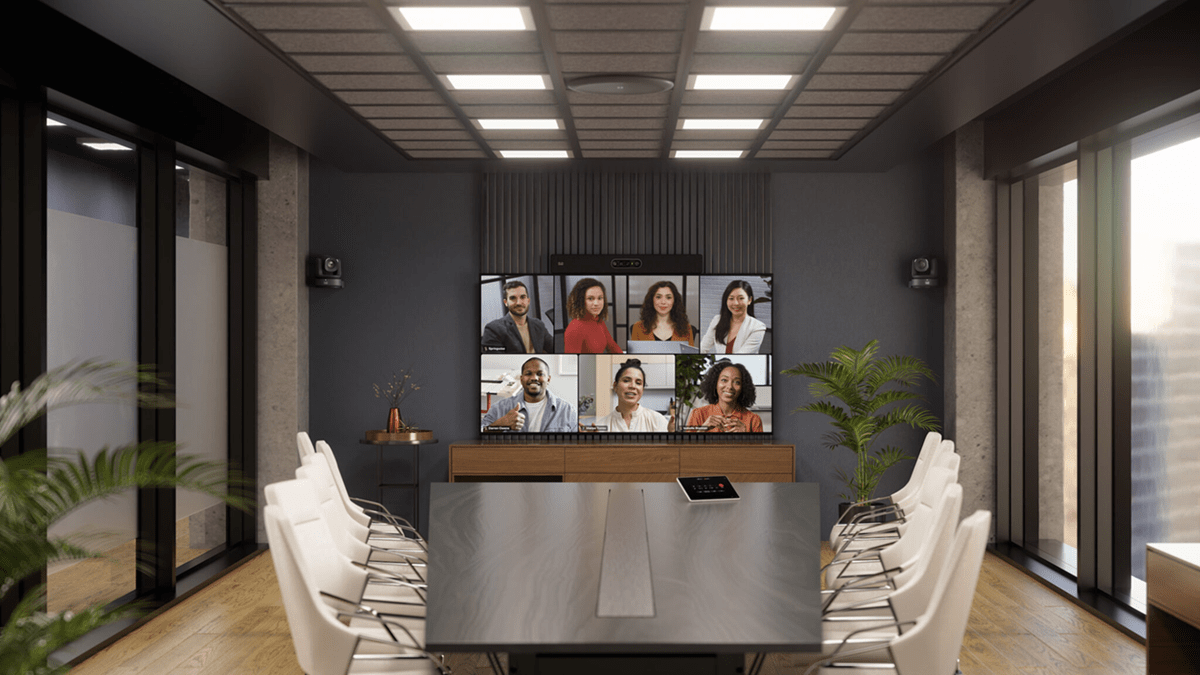
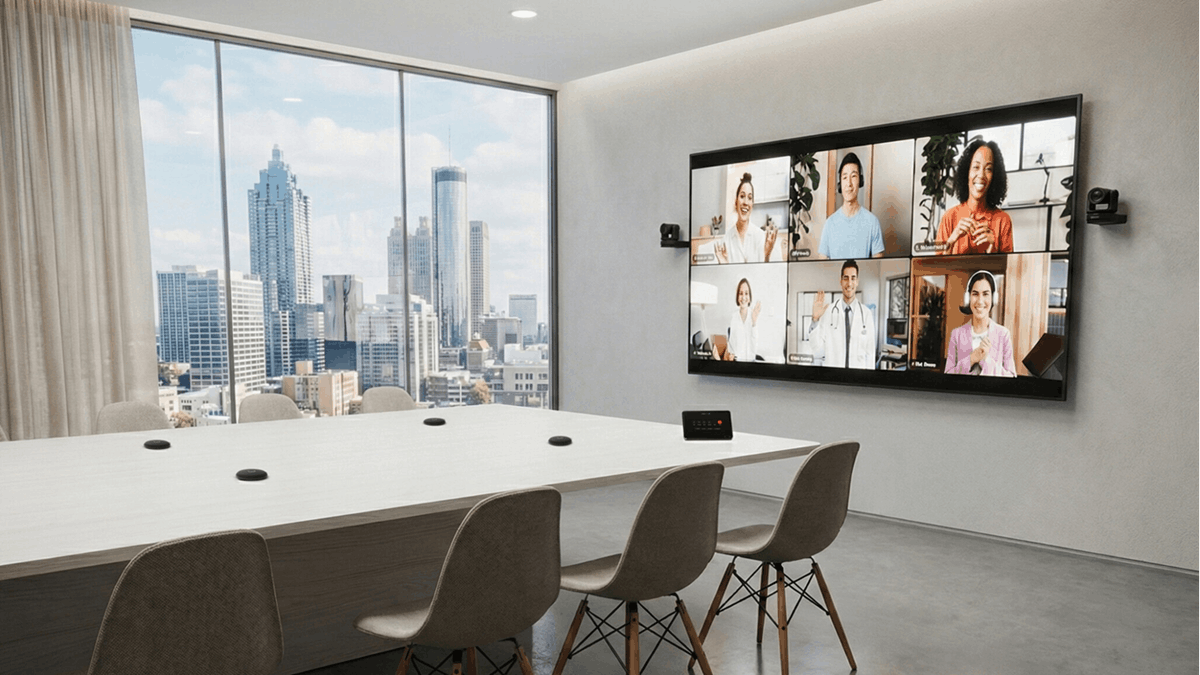
The announcement includes the Cisco Room Kit Pro G2 for complex meeting rooms, the Cisco Desk Pro G2 for desks and huddle spaces, and the Cisco Wireless Phone 9821 for frontline environments. Each device is built as part of a unified workplace platform that connects collaboration hardware directly to Cisco’s networking, security, and management infrastructure.
Control Hub serves as the central management layer, providing unified visibility while extending AI-based insights into external productivity platforms.
Cisco also introduced Workspace Designer to support planning and validation before deployment, along with AI Agent Integrations that surface workspace intelligence inside existing workflows.
Explore full details of the announcement about unified collaboration devices at blog.webex.com.
 Source: Cisco
Cisco Introduces New Collaboration Devices Powered By One Unified Platform at ISE 2025
Analyst Perspective: Cisco is reinforcing a long-term shift toward treating collaboration as part of core enterprise infrastructure rather than a collection of peripheral tools. The strategy emphasizes consistency across environments that historically evolved independently, creating operational silos.
By aligning collaboration endpoints with the same architectural principles used in networking and security, Cisco is narrowing the gap between user experience and IT governance. This approach reduces variability in deployment outcomes and supports predictable performance at scale.
The release also reflects an understanding that workspace decisions increasingly rely on measurable data. Centralized intelligence tied to real usage patterns allows organizations to move beyond reactive support models. Instead, collaboration environments can be managed with the same discipline applied to other mission-critical systems, reinforcing long-term operational efficiency.
Unified Devices Across Rooms, Desks, And Frontline Roles
 Source: Cisco
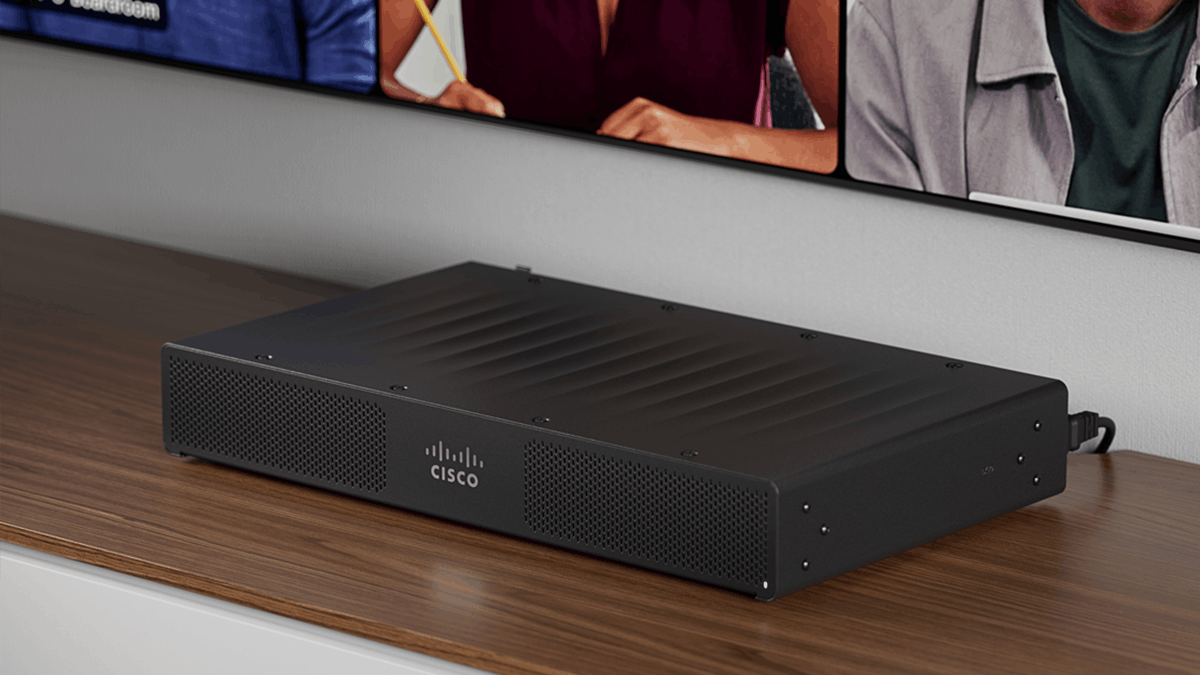
Cisco Room Kit Pro G2
Large and technically demanding rooms have long depended on layered AV systems assembled from multiple vendors.
The Cisco Room Kit Pro G2 replaces that model with a network-based design that delivers audio, video, power, and control through an AVoIP-first architecture. By processing AI workloads locally, the device enables coordinated multi-camera views, speaker tracking, and real-time noise reduction without relying on external compute.
Support for multiple cameras and microphones allows spaces to be reconfigured as needs change, while centralized oversight remains intact through Control Hub.
 Source: Cisco
Cisco Desk Pro G2
With the Cisco Desk Pro G2, the same platform principles apply to individual and shared workspaces.
Its dual-camera system supports both personal focus and group collaboration, paired with a high-resolution display engineered for extended use.
Setup is simplified through a single USB-C connection that delivers power and connectivity, reducing cable clutter.
For IT teams, Zero Touch Provisioning ensures rapid deployment and consistent configuration across large user populations.
 Source: Cisco
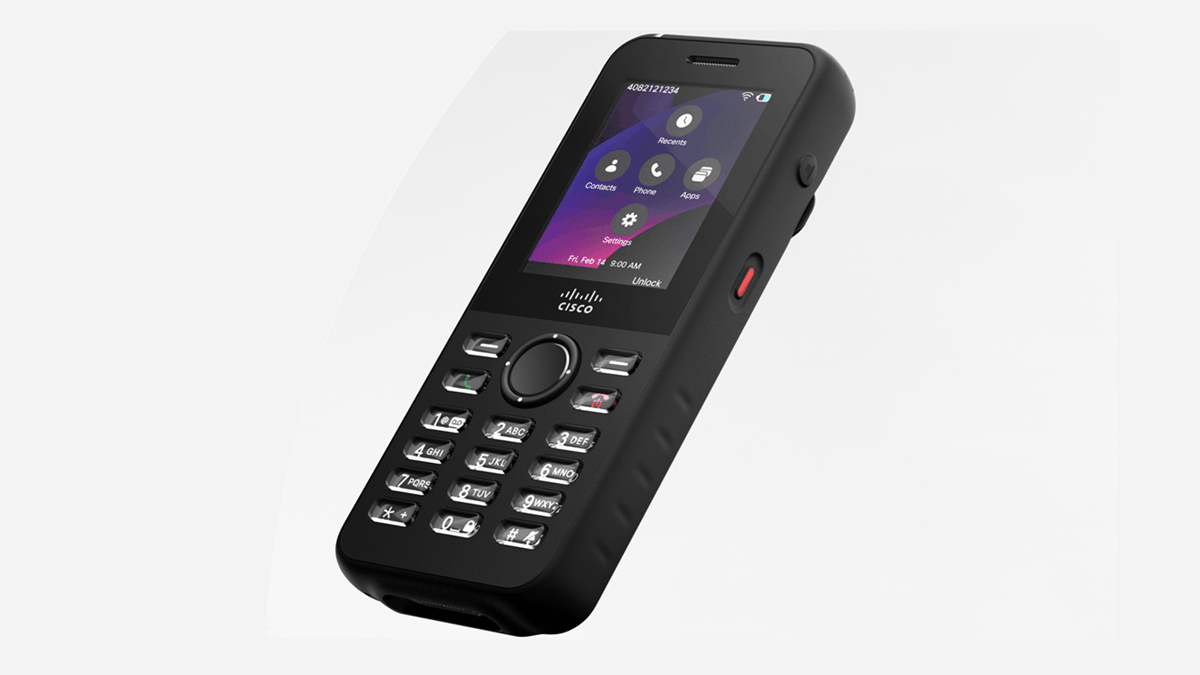
Cisco Wireless Phone 9821
Frontline workers require tools that function reliably in dynamic environments.
The Cisco Wireless Phone 9821 integrates natively with Cisco’s enterprise calling platforms and supports shared device scenarios common in shift-based roles.
Its Wi-Fi 6E connectivity minimizes latency, while its AI-enhanced audio and safety features support clear, immediate communication in critical situations.
Unified Platform With End-To-End Visibility
Despite their different use cases, all devices operate as part of a single platform. Through Control Hub, organizations can monitor performance, utilization, and connectivity across rooms, desks, and frontline deployments, maintaining consistent oversight without managing separate systems.
 Source: Cisco
Extending Intelligence With AI Agents And Workspace Design
To complement its device portfolio, Cisco introduced new capabilities that embed workspace intelligence into both planning and day-to-day operations.
Through AI Agent Integrations, workspace data is made accessible within platforms such as Amazon QuickSight, Microsoft Copilot, and the Cisco AI Assistant. Teams can explore real-time insights on space usage and performance without navigating separate management tools, improving efficiency and visibility.
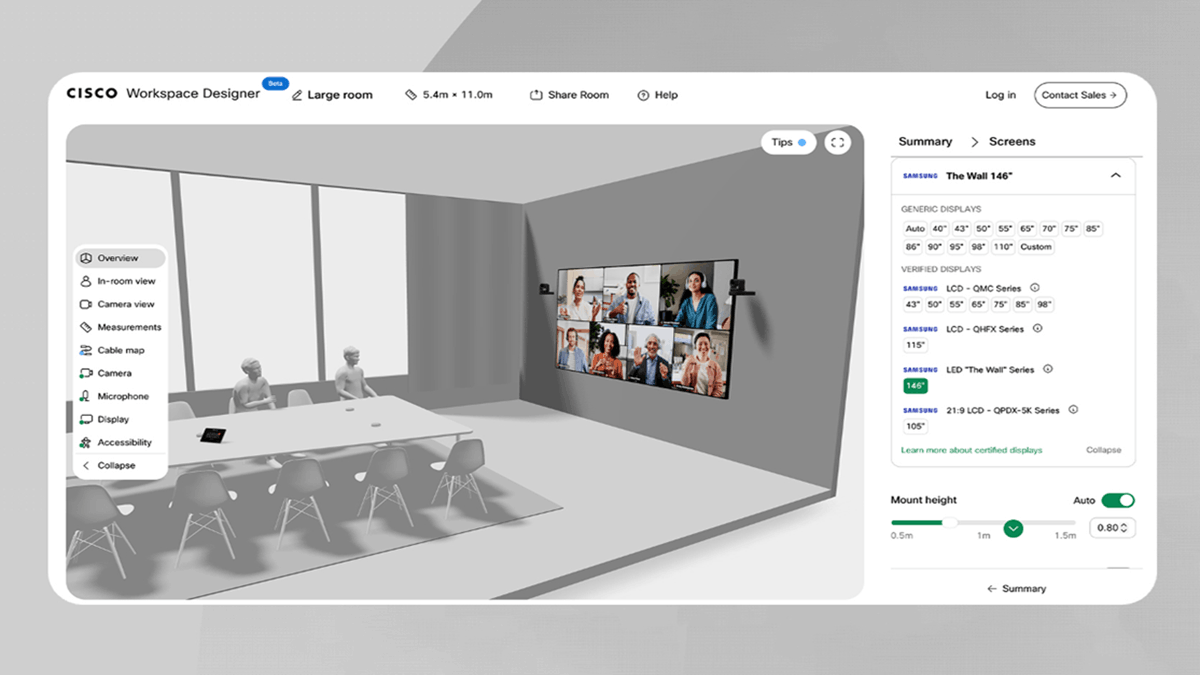
Meanwhile, Workspace Designer supports a more structured approach earlier in the deployment process. The tool enables organizations to model meeting spaces virtually, test configurations, and validate display compatibility before equipment is ordered.
Once deployed, supported Samsung displays automatically align with recommended settings, helping ensure the designed experience is reflected in the physical space while enabling ongoing optimization over time.
Platform Alignment Across The Cisco Portfolio
Cisco’s collaboration announcements align closely with its existing networking, security, and management portfolios. By embedding collaboration devices directly into the same operational framework used for switches, wireless, and security endpoints, Cisco reinforces a cohesive enterprise architecture.
Organizations with large, distributed estates—such as global enterprises, healthcare systems, education networks, and manufacturing operations—stand to benefit most from this approach. Consistency across rooms, desks, and mobile roles supports predictable deployment and governance at scale.
Adoption may require organizations to reassess existing AV investments and integration practices. Legacy environments built around multiple vendors could face transition complexity. These challenges can be addressed through phased deployments and the use of planning tools that reduce design and compatibility risks before equipment arrives.
The emphasis on platform intelligence suggests future expansion in analytics-driven workspace optimization. As AI integrations mature, collaboration environments may increasingly inform broader real estate and workforce strategies. Cisco’s direction positions collaboration devices as long-term infrastructure components rather than periodic refresh items.
Showcase your expertise through high-impact video and digital content designed for today’s buying audience. Get in touch to discuss how we can help you drive engagement and measurable results.